 Ocularis Review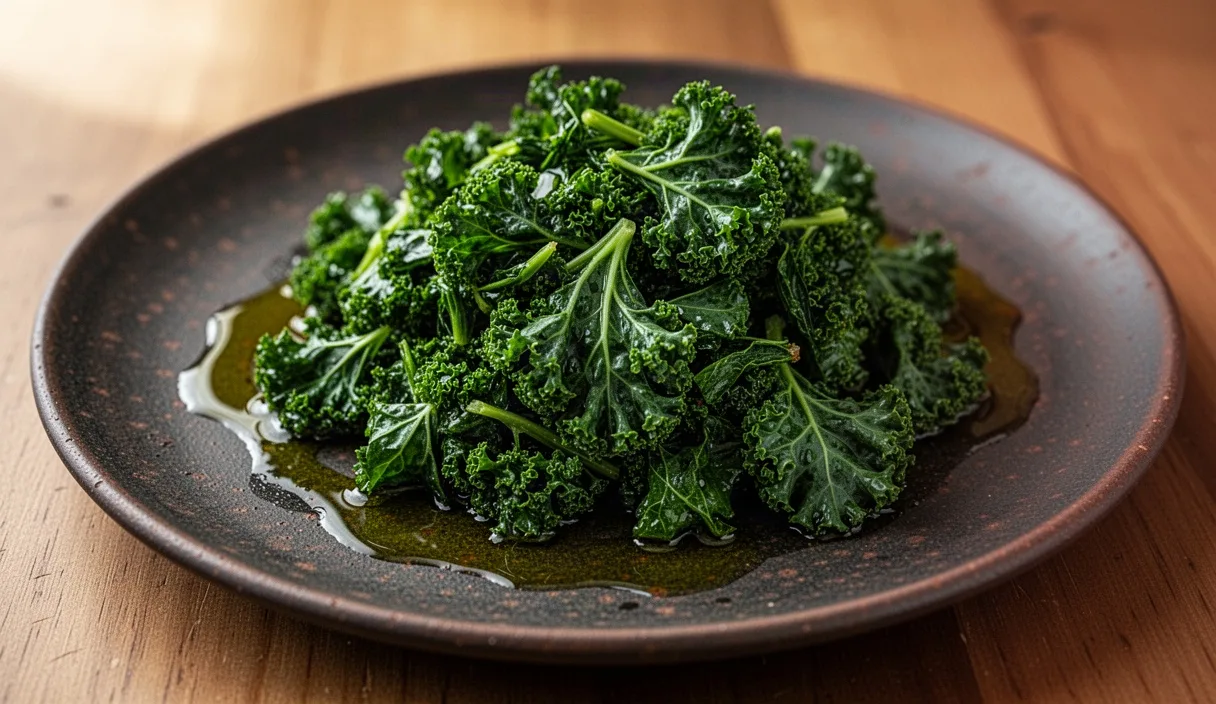
Lutein and its stereoisomer zeaxanthin accumulate selectively within the Henle fiber layer of the human fovea, where they form the macular pigment. This yellow-tinted optical filter attenuates short-wavelength blue light and neutralizes reactive oxygen species generated by high metabolic activity and photon flux. Because primates cannot synthesize carotenoids de novo, macular pigment density relies entirely on nutritional intake. Clinical discussions regarding intake frequently stall at a central fork: whether patients should rely on daily pharmacological supplements or deliberate culinary strategies centering on Brassica greens such as Tuscan, curly, or red Russian kale.
The choice between dietary whole foods and purified supplements is not simply a contest of gross milligram intake. Carotenoid utilization hinges on liberation from the surrounding matrix, transport within mixed micelles, uptake by enterocytes via surface scavenger receptors, and packaging into chylomicrons. Purified lutein in oil-filled softgel capsules enters the digestive tract unbound by fibrous cellular scaffolding. In contrast, kale holds lutein within the thylakoid membranes of chloroplasts, protected by rigid cellulose and hemicellulose walls. Evaluating which delivery vehicle works best requires examining food structure, thermal processing, digestive physiology, and economic practicalities.
Understanding the food matrix effect on carotenoid release
The term food matrix describes the physical and chemical architecture in which nutrients are embedded. In fresh, unblemished kale (Brassica oleracea var. acephala), lutein molecules reside within chloroplasts as non-covalently bound pigment-protein complexes. These complexes are integrated into the lipid bilayers of photosynthetic thylakoids. To make this lutein bioaccessible, or available for absorption, human mastication and gastrointestinal digestion must crack open the surrounding plant cell walls, dissolve the protein complexes, and allow the lipophilic pigment to migrate into the liquid lipid phase of the chyme.
Human digestive secretions lack cellulase and pectinase enzymes. When an individual consumes raw, coarsely chewed kale leaves, a substantial proportion of plant cells pass into the colon fully intact, carrying their internal carotenoid contents with them. In vitro digestion models demonstrate that the bioaccessibility of lutein from raw, unground kale leaves hovers between 14% and 23%. The rigid polysaccharide matrix acts as a physical barrier that restricts gastrointestinal enzymes from interacting with intracellular contents.
Isolated lutein capsules bypass this matrix barrier entirely. Commercial softgels usually contain lutein crystals derived from marigold flower petals (Tagetes active vitality). During manufacturing, marigold petals undergo saponification to cleave fatty acid esters, yielding free lutein, which is then dispersed in carriers such as safflower, sunflower, or soy oil. Because the carotenoid is already solubilized in an oily medium without cellular walls, its release into gastric emulsions approaches 78% to 88% under standard digestive conditions, showing a marked baseline advantage in passive liberation over unprocessed leaves.
The role of cooking techniques in softening plant cell walls
Thermal preparation radically changes the bioaccessibility profile of leafy greens. Applying heat alters the structural integrity of the plant cell wall by solubilizing pectins in the middle lamella, which loosens intercellular adhesion. Furthermore, sustained heat denatures the chlorophyll-protein complexes within the chloroplast, liberating trapped lutein molecules so they can partition into dietary fats during digestion.
Different culinary techniques produce vastly divergent carotenoid yields. Submersion boiling often causes the thermal degradation of heat-sensitive compounds and leads to nutrient loss if cooking water is discarded, although lutein itself is relatively heat-stable compared to ascorbic acid. Steaming and gentle sautéing offer superior balance by softening the cellulose framework without excessive degradation. Pureeing or mechanical chopping prior to cooking provides an additional additive effect, physically rupturing cell envelopes before heat is applied.
- Gentle steaming (5 to 7 minutes): Softens cell wall pectins while preserving between 82% and 91% of native lutein content, increasing subsequent micellar incorporation by roughly 28% compared to raw leaf tissue.
- Mechanical pureeing (blender processing): Shears cell walls via mechanical blade velocity. Pureeing cooked kale into soups or pestos increases intestinal bioaccessibility beyond that of whole steamed leaves.
- High-heat boiling (exceeding 15 minutes): While cell walls break down completely, prolonged exposure to boiling water can isomerize trans-lutein into less biologically active cis-isomers and wash away water-soluble cofactors.
- Lipid-assisted sautéing: Sautéing chopped kale in 8 to 12 grams of dietary fat over moderate heat allows carotenoids to dissolve directly into the cooking oil, creating a lipophilic suspension prior to consumption.
Absorption comparison: whole foods versus isolated capsules
Carotenoid absorption takes place primarily in the duodenum and upper jejunum. Because lutein is insoluble in aqueous solutions, it must be incorporated into mixed micelles formed by bile salts, biliary phospholipids, and dietary lipid digestion products such as monoacylglycerols and free fatty acids. These micelles diffuse across the unstirred water layer to the enterocyte brush border, where uptake occurs via passive diffusion and facilitated transport mediated by Scavenger Receptor Class B Type 1 (SR-B1) and CD36 proteins.
The bioavailability of lutein from a standard softgel depends heavily on the meal consumed alongside it. If a patient swallows an oil-based softgel on an empty stomach or with a fat-free beverage, bile salt release is minimal, resulting in poor micellarization and carotenoid excretion. When consumed with a meal containing at least 6 grams of fat, isolated lutein demonstrates steady intestinal uptake, reaching peak serum concentrations roughly 14 to 16 hours after ingestion.
| Factor | Raw Curly Kale | Steamed Kale with Olive Oil | Lutein Softgel (Free Form) |
|---|---|---|---|
| Matrix breakdown requirement | High (chewing and acid only) | Moderate (heat disrupted) | None (pre-extracted) |
| Co-ingested lipid requirement | Essential (external addition) | Supplied via cooking fat | Partially present in capsule oil |
| Typical bioaccessibility rate | 14% to 23% | 38% to 47% | 78% to 88% |
| Relative serum uptake efficiency | Lower | Moderate to high | High |
| Presence of zeaxanthin | Natural (roughly 1:12 ratio) | Natural (retained) | Variable (often added separately) |
While an isolated supplement achieves clean, predictable micellarization, steamed kale combined with an oil base performs competitively. A serving of cooked kale delivers roughly 14 to 18 milligrams of lutein. Even if bioaccessibility sits at 40%, the net milligram payload delivered across the intestinal membrane meets or exceeds the 10-milligram threshold established in major retinal clinical trials, such as the Age-Related Eye Disease Study 2 (AREDS2).
Accompanying micronutrients found in dark leafy vegetables
Choosing dark leafy greens over single-ingredient capsules introduces a broad network of complementary nutrients that influence general vascular and cellular health. Kale does not supply lutein in isolation; it delivers a complex array of antioxidants, minerals, and vitamins that support systemic physiology alongside ocular tissue maintenance.
Beyond lutein, 100 grams of boiled or steamed kale provides approximately 4.2 milligrams of beta-carotene, 37 milligrams of ascorbic acid, and upwards of 400 micrograms of phylloquinone (vitamin K1). It also contains between 130 and 150 milligrams of elemental calcium, alongside structural flavonols such as kaempferol and quercetin. Quercetin and vitamin C act as secondary chain-breaking antioxidants that protect carotenoids from premature oxidative destruction within the intestinal lumen and blood plasma.
One biochemical nuance involves transporter competition. High amounts of beta-carotene can occasionally compete with lutein for uptake via the SR-B1 transporter within the intestinal epithelium. However, at dietary levels, this competitive inhibition appears negligible compared to the synergistic benefits provided by the broader antioxidant matrix. Patients managing specific medical conditions, however, must consider these additional compounds. For instance, individuals taking vitamin K antagonists like warfarin must maintain consistent daily phylloquinone intakes to prevent erratic changes in their international normalized ratio (INR), making static softgels easier to monitor than variable portions of produce.
Cost per milligram breakdown across common produce
Cost efficiency often dictates long-term patient compliance. Supplements present a predictable financial outlay, but evaluating whole produce requires calculating the cost per active milligram of carotenoid after accounting for inedible stems, cooking shrinkage, and standard grocery pricing. While kale is exceptionally nutrient-dense, frozen vegetables often provide an even more economical delivery framework.
The following figures reflect typical United States retail averages across grocery chains and supplement retailers, standardized to a 10-milligram reference dose of target carotenoids.
| Source | Standard Retail Unit | Estimated Total Lutein/Zeaxanthin | Average Cost | Cost per 10 mg Active Nutrient |
|---|---|---|---|---|
| Fresh curly kale | 1 bunch (approx. 250 g edible) | 42 mg | $2.49 | $0.59 |
| Frozen chopped kale | 450 g package | 68 mg | $1.89 | $0.28 |
| Fresh Lacinato kale | 1 bunch (approx. 200 g edible) | 36 mg | $2.99 | $0.83 |
| Frozen chopped spinach | 450 g package | 54 mg | $1.69 | $0.31 |
| Lutein softgels (20 mg) | 60 capsules | 1,200 mg | $17.99 | $0.15 |
| Lutein softgels (10 mg) | 120 capsules | 1,200 mg | $14.49 | $0.12 |
On an absolute dollar-per-milligram basis, commercial softgels hold a distinct price advantage over fresh produce. One 10-milligram dose of lutein derived from a budget-conscious supplement bottle costs roughly $0.12 to $0.15, whereas obtaining the equivalent quantity from fresh organic Lacinato kale costs roughly $0.83. However, frozen chopped greens narrow this gap significantly, delivering 10 milligrams for less than thirty cents while simultaneously fulfilling dietary requirements for dietary fiber, folate, and trace minerals.
Weekly meal strategies to reach targeted intake levels
Reaching an evidence-supported intake of 10 milligrams of lutein and 2 milligrams of zeaxanthin per day exclusively through dietary patterns requires practical planning. Because raw salads demand large, unmanageable volumes to achieve targeted absorption levels, culinary routines should rely on concentration strategies using heat, mechanical reduction, and lipid pairing.
Pre-cooking dense green bases
Purchase two large bunches of kale or two bags of frozen chopped greens at the start of the week. Steam the greens for 6 minutes, drain the excess surface water, and store the cooked volume in an airtight glass container. Cooking down the leaves reduces their bulk roughly fourfold. A single half-cup scoop (roughly 65 grams) of this concentrated base provides approximately 11 milligrams of lutein, satisfying the daily reference intake in two to three bites.
Incorporating functional culinary lipids
Never consume targeted greens dry or dressed with fat-free alternatives. To promote mixed micelle synthesis, pair every portion of greens with at least 7 to 10 grams of fat. Whisk extra virgin olive oil, cold-pressed avocado oil, tahini, or toasted sesame oil into dressings, or sauté the cooked greens directly in olive oil with minced garlic. The presence of long-chain fatty acids stimulates cholecystokinin release, triggering the gallbladder contractions needed to flood the small intestine with bile acids.
Preparing high-shear breakfast purees
For mornings where cooked vegetable sides are unappealing, blend 50 grams of fresh baby kale with a whole liquid lipid source, such as 150 milliliters of whole milk, kefir, or soy milk, accompanied by a tablespoon of chia seeds or almond butter. The high-shear action of commercial blender blades shears the cellular walls of the raw leaves, drastically lowering the digestive burden and allowing carotenoid release without cooking heat.
Enriching evening protein dishes
Fold half a cup of pre-steamed, chopped kale into warm evening dishes during the final two minutes of cooking. Stir the greens into lentil soups, chickpea curries, shakshuka, or pasta sauces. The residual warmth integrates the greens without exposing them to destructive, sustained boiling, while the complex lipid fractions from eggs, olive oil, or legumes facilitate micelle formation.
Common mistakes
The most widespread error in dietary carotenoid management is eating raw, undressed kale under the impression that raw produce is universally superior. Without mechanical disruption or lipid pairing, a patient consumes considerable dietary fiber but passes most of the lutein out through fecal excretion unabsorbed. Adding a small volume of monounsaturated fat is not an optional culinary preference; it is a physiological prerequisite for mucosal transport.
Another error involves boiling leafy greens in large quantities of water for extended durations and subsequently draining the pot. While lutein remains mostly inside the leaf, water-soluble synergistic micronutrients, including vitamin C and B-complex vitamins, leach into the cooking liquor and are discarded down the drain. If boiling is utilized, the liquid should be retained as a soup broth.
Finally, some individuals believe that more is always better, purchasing megadose supplements delivering 40 milligrams or more of lutein per day. Intestinal absorption through SR-B1 transporters exhibits saturation kinetics. Overloading mucosal receptors does not result in an endless linear increase in macular pigment optical density. Instead, excess carotenoids remain unabsorbed or deposit harmlessly in subcutaneous adipose layers, occasionally causing carotenodermia, a reversible yellowing of the skin.
Closing recommendations and practical next steps
Choosing between dietary kale and lutein capsules does not have to be an exclusive, either-or decision. For patients who struggle with chronic gastrointestinal disorders, malabsorption syndromes, inflammatory bowel diseases, or strict time constraints, softgels provide a reliable, highly bioaccessible, and affordable way to sustain target tissue concentrations without digestive friction.
For individuals without digestive impairments, whole food sources remain an outstanding primary approach. Cooked kale provides not just lutein, but also complementary antioxidants, dietary fiber that nourishes the colonic microbiome, and vital cardiovascular micronutrients. The most robust biological approach incorporates steamed or puréed dark leafy greens cooked with quality culinary lipids into regular weekly meals, reserving third-party verified lutein softgels as a convenient safety net during periods of travel, low vegetable availability, or increased clinical need.
Patients considering changes to their carotenoid intake to manage specific conditions, such as early-stage age-related macular degeneration, should consult an optometrist, ophthalmologist, or registered dietitian. These clinicians can assess macular pigment optical density directly and evaluate whole-diet patterns to ensure carotenoid strategies align with overall medical history and concurrent pharmacotherapy.